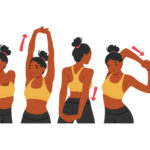




Back pain can be one of the most debilitating conditions, affecting up to 80% of the population at some time in their life. Unfortunately, some studies suggest that up to 90% of low back pain (LBP) diagnoses are non-specific.
This means that not only do people suffer from back pain, but the exact cause may be difficult to identify. For some people, when left untreated, lower back pain can even lead to long-term pain, dysfunction and even nerve damage.
The pain itself can hinder your ability to reach, lean, kneel, lift or bend. It can also hinder your time spent with friends and family. The good news is that with guidance from your physical therapist you can find solutions to your pain and how to manage it, so you can get back to living the life you enjoy!

What We Know About the Causes of Back Pain
Mechanical low back pain starts in and around the spine itself. The source of the pain comes from injury or irritation of the muscles, joints (including the intervertebral discs and facet joints), nerves or surrounding ligaments and other soft tissue.
The contributing factors often associated with back pain are:
- Improper posture or prolonged positions (i.e. prolonged sitting)
- Spinal muscle and tissue damage (i.e. lifting strains or trauma from accidents)
- Limited hip, spine and pelvis mobility
- Limited muscle flexibility
- Spinal/pelvic muscle weaknesses (aka “core” weakness)
- Poor abdominal, pelvic and back muscle coordination (i.e. compensations due to injury)
Unfortunately, a lot of people don’t seek treatment when back pain arises. They might assume nothing—except for medication and rest—can solve their back pain problem. There is little to no evidence of the benefits of acetaminophen, skeletal muscle relaxants, and lidocaine patches in the treatment of chronic low back pain.
Physical Therapy Is an Effective Back Pain Solution!
You’re in luck: For most people, back pain resolves on its own. And for those that continue to experience pain, physical therapy can help.
According to research on back pain, physical therapy treatments are effective for acute and chronic conditions. Physical therapy treatments for back pain include manual therapy, joint mobilization manipulation, exercise instruction, education and techniques like the McKenzie Method and Therapeutic Yoga. These have all been proven to help alleviate pain and restore function.
Physical therapists assess your particular condition to identify the contributing factors and address ALL of them. Rather than focusing on one cause of your pain, your physical therapist will address all of the causes.
We are skilled at hands-on intervention and exercise selection for the most comprehensive and appropriate intervention to help you resolve your pain and/or restore your function.
Back Pain Prevention
A little prevention goes a long way. If you want to avoid future back pain, you can make sure you’re being good to your back.
Limit Sitting For Too Long
Prolonged sitting is not good for your back, or your overall health. Although adjusting your posture while sitting can be helpful, a more effective option is to stand up periodically throughout the day.
Limit your sitting to 30-45 minutes at a time. The results will be noticeable!
Use Good Posture
Our spine is designed to move which means our posture should also move. The spine does not like to remain in any one position for extended times. Most people slouch and then hold that position for extended periods of time. By finding a “good” posture you can counteract the slouch.
When you’re standing, imagine your breast bone is lifted towards the sky. This will naturally cause your spine to straighten out — lifting you up — keeping your hips, spine, shoulders and neck aligned.
Use Strength Training
Your body has hundreds of muscles. These muscles protect and control your spine. By lifting weights, running and swimming, you can keep them strong. Train the muscles of your hips, pelvis and spine — your core muscles.
Call Our Clinic Today
Visit a physical therapist for a comprehensive assessment and learn what steps you can take to alleviate your pain and prevent further episodes. If you have a history of back injuries, pain or minor aches, don’t hesitate to talk to a physical therapist. We offer the results you are looking for!
Your Progress Matters To Us!
Return to Blue Sky Physical Therapy and Let’s Continue Your Journey to Wellness Together. Schedule Your Appointment Now!

Tips for Healthy Running This Summer
Written by Blake Pepper-Tunick, PT, DPT, ACT
Summer is now in full swing! With that comes good weather for working out outside and what better way to do that than with a jog! Whether training for an event or just getting outside for fitness, here are some tips to keep in mind to keep you running happy and healthy:
- Fuel your workout
- Have a carbohydrate-based snack approximately 30 minutes before you head out the door. This should be something easily digestible and not heavy. Avoid dairy or meats at least an hour before a run.
- Check the weather
- Need an extra layer? Maybe grab a hat? Be sure you won’t overheat with what you’re wearing.
- Don’t skip the warm-up
- Be sure to incorporate at least a few minutes of dynamic warm-up drills such as leg swings, core activation such as planks, and/or foam rolling to prime your muscles for a run.
- Consider your goals
- Trying to build endurance? Want to get faster? Make sure your run has at least some structure based on your current fitness level and specific goals. One of our physical therapists/personal trainers here at Blue Sky can help you with this.
- Be sure to pace yourself! Going out too hard at the beginning of your run is a good way to burn up in the heat and not finish feeling strong or healthy.
- Save your static stretches for the end
- The type of stretches where you sit and hold for 20 to 30 seconds at a time are best placed at the end of your run. This is when your muscles are most warm and will benefit the most from some flexibility work.
Looking for more specific advice, improve your efficiency or speed or needing to address lingering issues or pains? Our physical therapist Blake offers running gait video analysis sessions to further examine your form (see linked article) which can help with any and all aspects of your run.
Blake has over 12 years of experience in endurance sports and sports medicine. He has competed in or participated in all running distance levels from the 800 meter to full marathons, as well as all triathlon distances from sprint to Ironman-distance.
Running Gait Analysis at Blue Sky Physical Therapy:
Sometimes, you need an extra pair of trained eyes to help improve your run. We provide specialized video analysis appointments to allow us to visualize, assess, and address specific aspects of your running gait and form.
The Benefits
- Address current pain or lingering problems
- Dealing with a nagging knee or foot problem? We will take this into account as we look at your gait
- Improve form and efficiency
- We will collect specific data of your run form to specifically address what areas need improvement
- Prevent injury
- An efficient gait is one that reduces peak ground reaction forces through the body which, in turn, reduce the load on your body and reduce risk of overuse injuries
- We will discuss how to achieve this in an effort to reduce the risk of future injuries
How it works
- We begin by sitting down and discussing your goals and any issues you’re working on
- We’ll get you on the treadmill and collect a video analysis of your run form
- Using form analysis software, we will go over our findings within that session
- You will then be provided with corrective exercises, drills and/or cues to help improve your form based on these findings
This service is appropriate for all ages and ability levels, and is provided by a qualified physical therapist from our staff.
Call today to get scheduled!

Discover Healthy Plate Pleasures
Balsamic Grilled Steak Salad with Peaches
Ingredients
- 1 lb. skirt steak, trimmed of fat
- 1/4 c. balsamic vinegar
- 1 clove garlic, minced
- 1 tbsp. brown sugar
- 1 tbsp. vegetable oil
- kosher salt
- Freshly ground black pepper
- 1/4 c. extra-virgin olive oil
- Juice of 1 large lemon
- 6 c. baby arugula
- 2 peaches, thinly sliced
- 1/3 c. crumbled blue cheese or feta
Directions
Add steak to a large Ziploc bag or baking dish and toss in balsamic vinegar, garlic and brown sugar. Let marinate 20 minutes at room temperature.
Heat a grill or grill pan to high. Rub steak with vegetable oil and season generously with salt and pepper.
Grill until desired doneness, 3 minutes per side for medium rare. Let rest 5 minutes, then slice.
Meanwhile, make dressing: In a small bowl whisk together olive oil and lemon juice and season with salt and pepper.
Arrange salad: In a large serving bowl, add arugula, peaches, blue cheese or feta, and steak. Drizzle with dressing and gently toss. Serve immediately.
Exercise of the Month
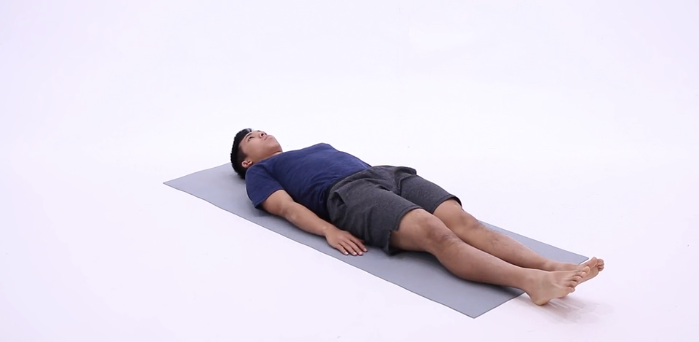
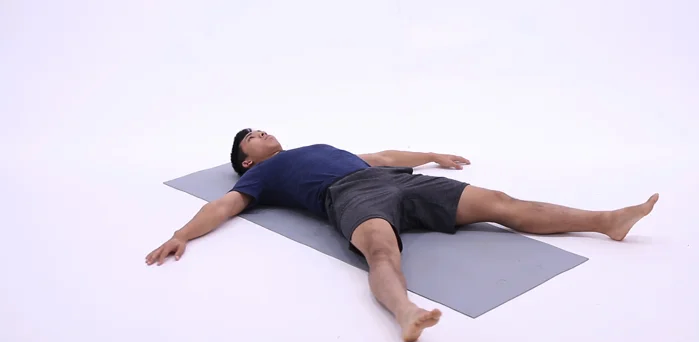
Angel On Back
Start by lying flat on your back with your arms straight down by your sides, your palms down, and your legs together. Slowly slide both arms straight up over your head and simultaneously slide both legs outward. Slide your arms back down and your legs back in. Repeat 3 sets, 10 reps each.

Our Patients Get Great Results
“I’ve been seeing Shawna Olsen at Blue Sky for the past year. She has been a godsend in helping me overcome lower back and hip pain. She instructed me on various exercises throughout the process starting slowly and gradually introducing new ones which allowed me to gain more strength to alleviate the pain I was having. I’m doing fine now because of her help but if I need PT in the future, I know who to call!“
– Dianne M.
6 Tips For a Healthy Diet This Summer
Your diet affects many aspects of your well-being including your immune system, bone health, muscle function, inflammation and pain. Conditions including heart disease and diabetes are also impacted by dietary intake. In summer, it can be difficult to keep good nutrition at the forefront especially with barbeques and cookouts popping up everywhere you look! Here are 6 nutrition tips to help you maintain a healthy diet this season:
1. Swap out snacks for fruits and vegetables. Consume at least 5 portions of a variety of fruits and vegetables daily. If this sounds challenging, remember that fresh, frozen, canned, dried, or even juiced fruits and veggies are all options.
2. Replace steak with fish. Fish is a great source of protein and contains many vitamins and minerals. You should try to incorporate at least 2 servings of fish into your diet every week.
3. Reduce your saturated fat intake. Too much saturated fat can raise your blood cholesterol levels, increasing your risk of developing heart disease. Examples of food high in saturated fat includes fatty cuts of meat, sausages, butter, hard cheeses, cream, cakes and biscuits.
4. Cut down on sugary drinks. Drinks high in sugar contribute to obesity and tooth decay. Try opting for a cool, refreshing glass of water instead, or a tasty fruit smoothie!
5. Drink enough water. Proper hydration is always important, but even more so during hot weather. You should aim for 6 to 8 glasses of water a day.
6. Don’t skip breakfast. A healthy breakfast sets the tone for your day and gives you the energy you need to make it to lunch!
We hope these tips will help you navigate the season and prioritize your health this summer!