

Shoulder Pain Relief
Do you wince when you reach overhead, slip on a T-shirt, or roll over on your shoulder at night? If so, you probably know firsthand how debilitating and frustrating a shoulder pain condition can be. Whether you injured your shoulder in a recent accident, strained your shoulder by over-training, or simply are dealing with age-related shoulder joint dysfunction, you may find yourself struggling with day to day functions which you might have once taken for granted.
If any of this sounds like you, our physical therapist team wants you to know that shoulder pain relief and resolutions in Denver, CO (drug- and surgery-free!) are possible!
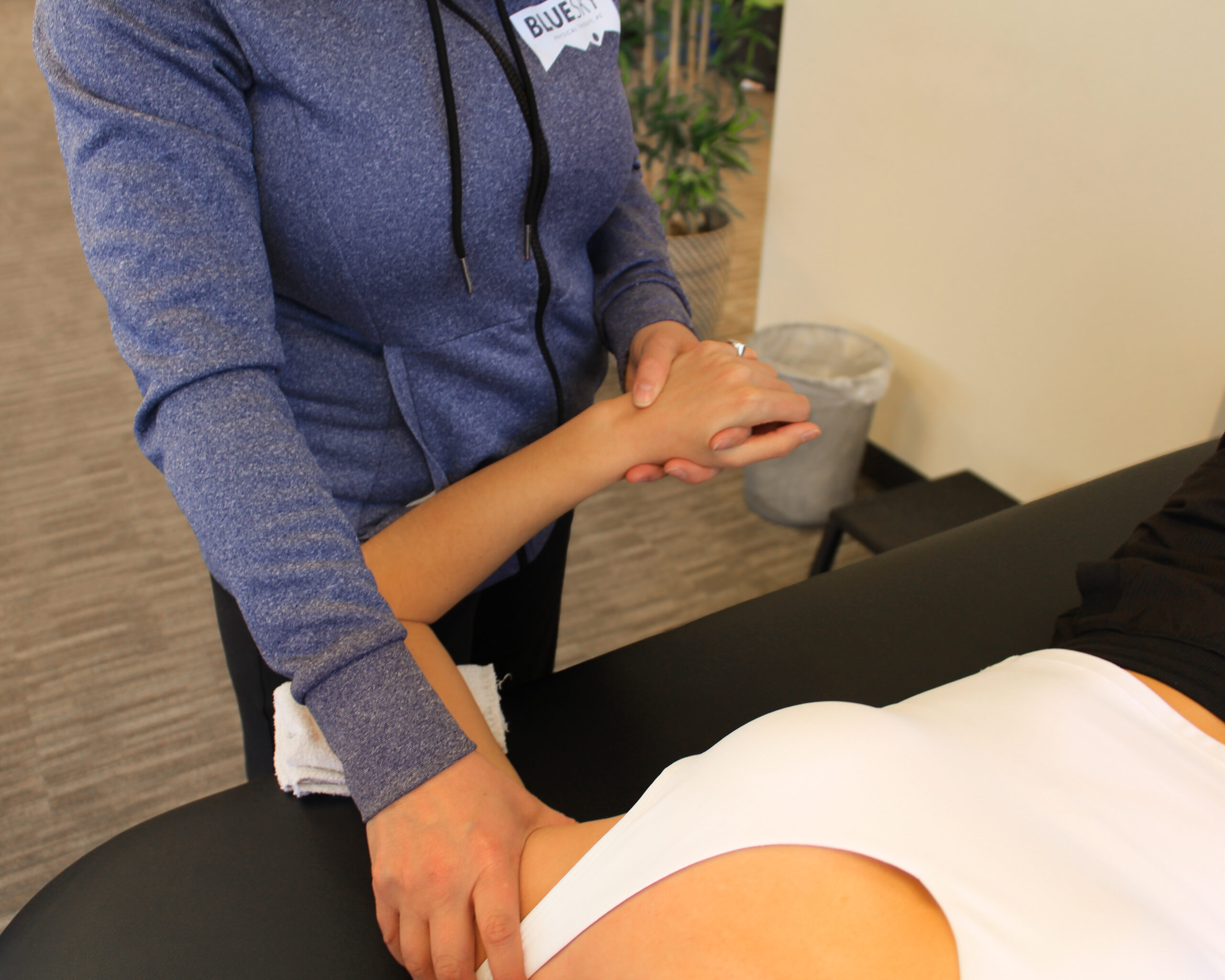
What Is Shoulder Pain?
According to data shared by the National Institute of Health, the estimated prevalence of this pain ranges from 4% to 26%. Assuming this data is accurate, this means upwards of 1 out of 4 people are struggling with shoulder pain at any given time.
Both acute and chronic shoulder pain can feel dull, achy, sharp, or throbbing. It may be associated with weakness, tenderness, swelling, bruising, and instability at the shoulder joint and make it difficult for a person to lift their arm. Sometimes, numbness, tingling, and weakness can also develop in the arm, hand, or finger.
Your shoulder is actually the most mobile joint in your body and requires the intricate coordination of many muscles (including the so-called rotator cuff), ligaments, tendons, joint capsules, joint labrum (a joint lining to improve alignment), nerves, and bursae (friction-reducing sacs found between tissues like tendons and bones). Damage or dysfunction of any of these structures can lead to this pain condition.
What Causes Shoulder Pain?
Acute shoulder pain is a common condition that usually develops after some traumatic event in sports, occupations, personal injuries, or auto accidents. Chronic shoulder pain lasts longer and may come on more gradually; this is typically due to repetitive movement or overuse. Other risk factors for shoulder pain include poor posture and advancing age.
Our physical therapist team in Denver, CO commonly diagnoses the following shoulder pain conditions:
- Adhesive Capsulitis (Frozen Shoulder): progressive and marked range of motion loss in the shoulder generally following some sort of injury, illness, or infection affecting the shoulder area
- Arthritis: Wearing down of joint cartilage causing painful bone-on-bone rubbing and inflammation.
- Bursitis: Inflammation and swelling of the bursae.
- Dislocation: The humeral head inside the main “socket” of the shoulder joint (called the glenoid fossa) can become partially or fully dislocated (dislodged out of place, usually due to significant trauma). Even if it “pops” back into place, your shoulder will likely be more unstable and at risk for re-injury unless treated.
- Rotator Cuff Tendonitis and Shoulder Impingement: Friction or pressure on tendons (e.g., if they rub against bones) can inflame the tendons and cause swelling, pain, and decreased mobility. Acute or chronic trauma can also lead to small tears in the rotator cuff muscle fibers.
- SLAP tear: this is a tear in the superior part of the labrum in an anterior to posterior direction and can be caused by acute or repetitive trauma.
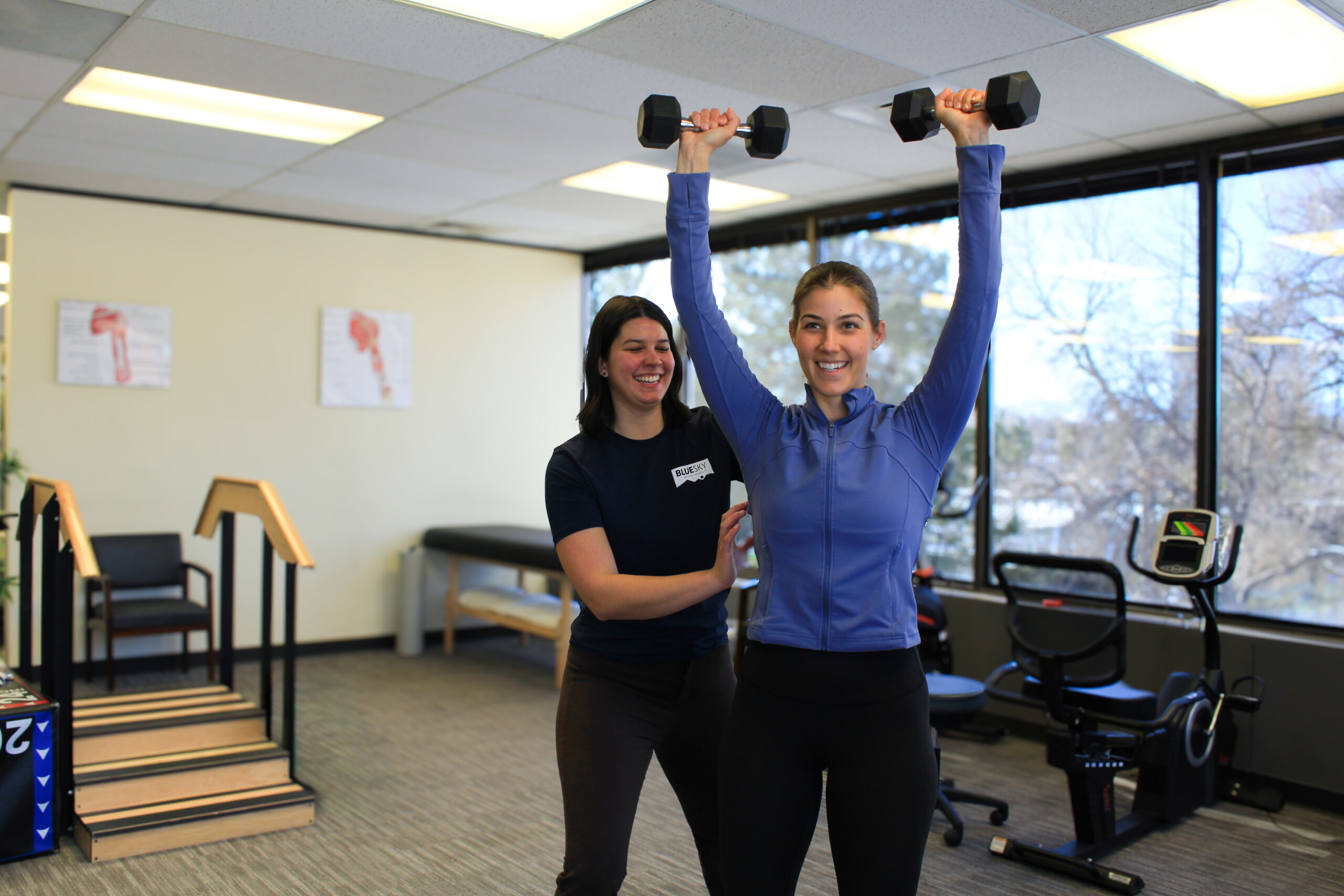
How Physical Therapist Treat Shoulder Pain
The right course of physical therapy can help you manage shoulder pain without surgery. By meeting with a physical therapist for your condition, you will be able to learn the underlying diagnosis and contributing factors of your dysfunction, get relief from your symptoms, and then learn how to avoid recurring problems in the future.
Following a thorough examination in which Our physical therapists look at your physical body, medical and family history, fitness, age, and other characteristics, we can devise a treatment plan to address your impairments, needs, and goals. Our customizable and comprehensive services for shoulder pain generally include:
- Therapeutic exercises to heal tissues, improve mobility, and increase joint strength and stability
- Modalities like low-level laser therapy and electrical stimulation to reduce swelling and accelerate healing
- Joint mobilizations to improve shoulder alignment
- Postural training and kinesiotaping to improve posture
Looking to get the frustration of shoulder pain “off your shoulders”? Contact Us Today in Denver, CO.
Frequently Asked Questions
What are the most common causes of shoulder pain?
Shoulder pain can be caused by rotator cuff injuries, tendonitis, bursitis, frozen shoulder, arthritis, muscle strain, poor posture, sports injuries, or repetitive overhead movements. Shoulder pain may develop suddenly after an injury or gradually over time due to wear and tear or movement dysfunction. At Blue Sky Physical Therapy, physical therapists perform comprehensive evaluations to identify the root cause of your symptoms and create a personalized treatment plan.
Can physical therapy help shoulder pain without surgery?
Yes. Physical therapy is often an effective non-invasive treatment option for shoulder pain and may help patients avoid surgery depending on the severity of the condition. Treatment may include manual therapy, stretching, strengthening exercises, mobility training, and posture correction to help reduce pain, improve stability, and restore shoulder function naturally.
When should I see a physical therapist for shoulder pain?
You should consider seeing a physical therapist if your shoulder pain lasts more than a few days, keeps returning, limits your range of motion, causes weakness, or interferes with sleep, work, exercise, or everyday activities. Early treatment can help prevent worsening symptoms and support a faster, safer recovery.
What treatments are commonly used during physical therapy for shoulder pain?
Physical therapy for shoulder pain may include manual therapy, mobility exercises, strengthening programs, stretching, posture training, and movement retraining designed to improve shoulder mechanics and reduce strain on surrounding muscles and joints. Treatment plans are customized to each patient’s condition, activity level, and recovery goals.
Can physical therapy help prevent future shoulder injuries or flare-ups?
Absolutely. Physical therapy not only helps relieve current shoulder pain but also focuses on preventing future injuries and recurring flare-ups. By improving strength, flexibility, posture, and movement patterns, physical therapy can help reduce stress on the shoulder joint and support healthier movement during sports, work, and daily activities.