



Did you know that physical therapy can be a game-changer for those suffering from cervicogenic headaches? Yes, those nagging headaches that start in your neck and creep up into your head can be eased with the help of our physical therapists!
Cervicogenic headaches come from problems in your neck, and that’s where our physical therapist steps in. We’ll get to the root cause, whether it’s tight muscles, stiff neck joints, or the way you sit or stand.
Once they know the cause, our therapists use hands-on techniques to loosen up those tight spots and get your neck moving better. They might use gentle stretching, massage, or special exercises. It’s not just about easing the pain right now; it’s about teaching your body to move in ways that keep the pain from coming back. At Blue Sky Physical Therapy, our physical therapy programs aren’t just about fixing injuries; it’s about helping your body work its best. For those who didn’t know, physical therapists can definitely help with headaches. So, if you’re tired of those headaches, give our physical therapists a try. It could be just what you need to feel better and get back to enjoying life headache-free!

Neck Pain to Headache: Uncovering the Causes and Signs of Cervicogenic Headaches
Cervicogenic headaches are common headaches that originate in the neck and are triggered by neck problems. Common culprits include:
- Poor posture
- Neck injuries like whiplash
- Wear and tear in the neck joints due to age
You’re at a higher risk if you spend hours hunched over a computer or smartphone. Sports that jolt the neck, like football or even a minor car accident, can set the stage for these headaches.
Unlike migraines that often come with nausea or light sensitivity, cervicogenic headaches usually start with neck pain. This pain then travels up to the back of your head, sometimes reaching the forehead or area around the eyes. It’s typically felt on one side and can be triggered by certain neck movements or positions. Stiffness in the neck, pain when pressing on certain spots in the neck or base of the skull, and sometimes a reduced range of motion in the neck are tell-tale signs.
If you’re experiencing these symptoms, it’s a sign that your neck might be the culprit. Understanding these causes and symptoms is crucial because treating a cervicogenic headache is different from tackling a migraine or tension headache. It’s all about getting to the root of the problem – in this case, the neck!
Targeting the Source: How Physical Therapy Tackles Cervicogenic Headaches
Physical therapy at Blue Sky Physical Therapy plays a crucial role in managing cervicogenic headaches. Our approach is particularly effective as it targets the root cause of the pain. Our therapists will start with a comprehensive evaluation, including your medical history, history of headaches, and a thorough physical examination.
Our team will use the most effective treatments to help you resolve your pain and teach you the tools you’ll need to prevent future episodes. Our programs typically include:
- Manual Therapy: This involves hands-on techniques, where the therapist manipulates and mobilizes the neck and shoulder regions. It reduces stiffness, improves range of motion, and decreases pain in cervicogenic headaches.
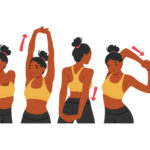
- Targeted Stretches: These are specific stretching exercises focused on the neck and upper back muscles. They aim to relieve tension and improve mobility in these areas, thus helping to reduce the intensity and frequency of headaches originating from the neck.
- Strengthening Exercises: These exercises focus on building the strength of the neck, shoulder, and upper back muscles. Strengthening these areas can provide better support to the neck, improve posture, and reduce the stress on cervical spine structures.
- Postural Corrections: Postural training involves teaching patients how to maintain proper neck and spine alignment, especially during daily activities.
Our therapy programs also play a vital role in long-term management and help significantly reduce headache frequency and intensity and improve neck function and overall quality of life.
You will notice less stiffness and greater ease in neck movement, along with reducing or eliminating the headaches altogether. The key to maintaining these improvements is continuing to do the exercises and techniques learned during therapy sessions and integrating them into daily routines to ensure long-term benefits and prevent future cervicogenic headaches.
Your Progress Matters To Us!
Return to Blue Sky Physical Therapy and Let’s Continue Your Journey to Wellness Together. Schedule Your Appointment Now!
Exercise of the Month
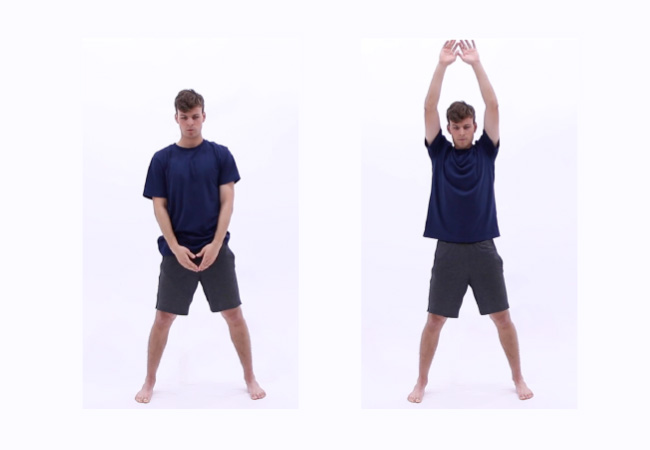
Deep Breathing Arms Overhead
Start by standing up straight with your feet spread apart and your arms hanging in front of you. Slowly raise your arms straight out to the sides and up over your head as you inhale through your nose. Slowly exhale through your mouth as you lower your arms back down. 5 reps.

Discover Healthy Plate Pleasures
Tomato, Mozzarella & Basil Bruschetta
Ingredients
- 1 (32-oz) can whole tomatoes, drained
- 1 cup fresh basil leaves
- 4 tbsp extra-virgin olive oil
- 6 cloves garlic, peeled
- Kosher salt & freshly ground black pepper
- 2 large French baguettes, sliced 1-inch thick (about 36 slices)
- 1 1/2 lbs fresh mozzarella cheese, sliced 1/4-inch thick
Directions
Preheat oven to 375 degrees F. In the bowl of a food processor, add drained tomatoes, 1 cup basil leaves, olive oil and 2 cloves garlic. Pulse until smooth, but somewhat chunky. Season with salt and pepper. On a baking sheet, line up baguette slices. Toast in oven for about 3 minutes. Working quickly, rub the remaining garlic on the toasted side of each slice and then lay a piece of mozzarella cheese on top. Place bread back in oven for about 45 seconds. Remove from oven and spread one tablespoon of the tomato mixture on each piece. Place bruschetta on decorative platter and garnish with basil leaves.
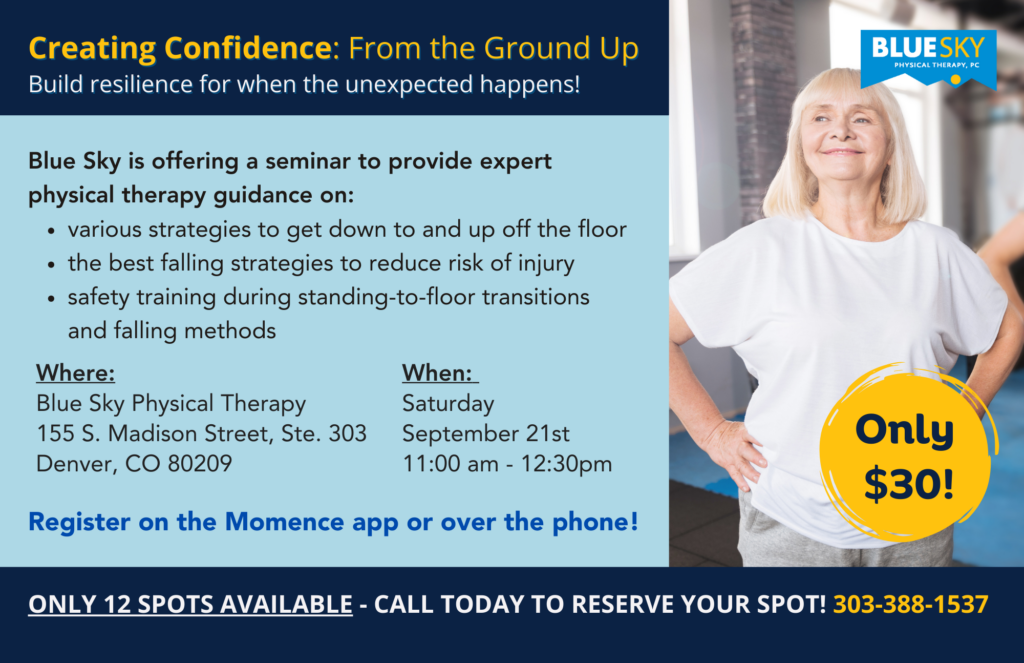
Seminar Opportunity
Thanks for Subscribing to Blue Sky PT!
3 Simple Ways To Make Hydration A Habit
Do you drink enough water each day? Proper hydration is always important, but in preparation for the upcoming hot summer months, we should all take a few extra precautions to ensure we are drinking enough water.
Drinking enough water each day is crucial for a variety of reasons. Drinking water helps regulate body temperature, lubricates joints, prevents infections, delivers nutrients to cells, and keeps organs functioning properly. Hydration also improves sleep quality, cognition, and mood.
Experts recommend that women should drink roughly 11 cups of water per day and men should aim for 16. If these numbers are higher than you’re used to, check out these 3 tips on ways to make hydration a habit.
1. Drink a glass of water first thing in the morning.
Before eating breakfast or having your morning coffee, try to drink at least one glass of water. Just a few sips of water in the morning can help to re-energize you and leave you feeling refreshed.
To make things easier on yourself, try placing a glass of water on your nightstand the night before, so you can start drinking immediately in the morning!
2. Add fruits or vegetables to your water.
If you’re the type to complain that water tastes too plain, know that there are many natural additives that can change this! Adding a zest of lemon or a handful of sliced cucumbers to your water can make this drink more fun.
3. Set reminders on your phone to hydrate.
Are you exceptionally busy during the day? Between work, taking care of children, running errands, and getting outside, summer can be a busy season.
If you always have your phone handy, why not put it to a productive use? Try setting reminders every couple of hours to hydrate, so you don’t forget amongst all the summer fun.

Our Patients Get Great Results
“After only a few visits, I felt so much better and my pelvic issues are resolved with the exercises at home too. I continue to go because we have ventured into other areas that are also helping me. I am so thankful and grateful. Thank you Erica!“
– Susan K.