
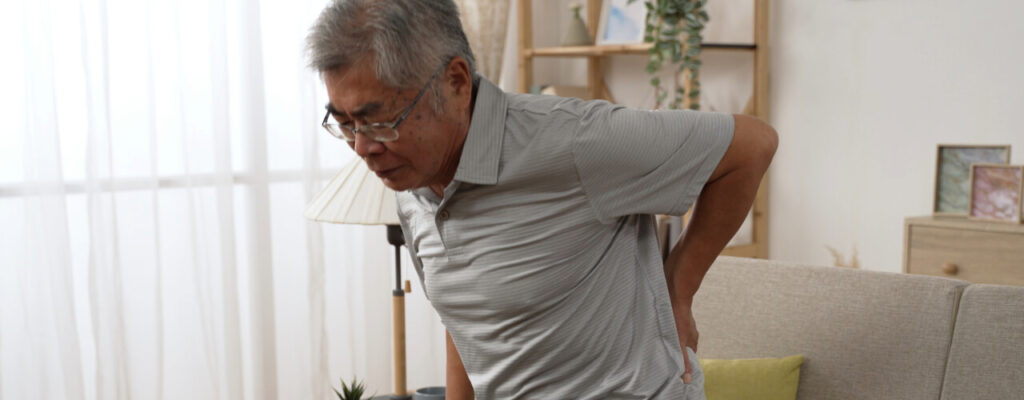
Herniated discs, also known as slipped or ruptured discs, can cause significant discomfort and impair daily activities. A herniated disc occurs when the outer ring of the disc weakens or tears, allowing the soft, gel-like center to bulge or push out, irritating or compressing nearby nerves. Finding effective herniated disc relief is crucial for those affected by this condition. Our team at Blue Sky Physical Therapy will help you resolve your back pain!
Understanding Herniated Discs: Symptoms, Causes, and Physical Therapy Treatment
Symptoms of a Herniated Disc
Herniated discs can manifest in various ways, depending on the location and severity of the herniation.
Pain:
- The most common symptom is pain, which can be felt in the lower back, buttocks, and legs. This pain often follows the path of the affected nerve and may feel sharp, burning, or shooting. Activities like coughing, bending, or twisting can exacerbate the pain.
Numbness or Tingling:
- People often experience numbness or tingling in the buttocks, leg, or foot. The location of the herniation determines where these sensations occur.
Muscle Weakness:
- Muscle weakness in the legs can make lifting the foot or climbing stairs difficult.
Sciatica:
- Sciatica refers to pain that radiates down the back of the leg, often described as shooting or burning. This pain typically affects one side of the body and worsens when sitting or in certain positions.
Not everyone with a herniated disc experiences all these symptoms. Some may have mild discomfort, while others endure significant pain and weakness.
Causes and Risk Factors of Herniated Discs
Several factors can lead to a herniated disc:
Age:
- Aging causes discs in the spine to lose water content and become less flexible, increasing the risk of tears.
Repetitive Strain:
- Jobs or activities involving repetitive lifting, twisting, or bending can stress the spine and discs, leading to herniation.
Improper Lifting Techniques:
- Lifting heavy objects with poor posture significantly raises the risk of a herniated disc.
Sudden Injury:
- Traumatic events like falls can cause a herniated disc.
Obesity:
- Excess weight strains the spine, heightening the risk of disc herniation.
Genetics:
- Genetic factors can predispose some individuals to herniated discs.
Physical Therapy Treatment for Herniated Discs
Physical therapy often serves as the first line of treatment for herniated discs. Physical therapists employ various techniques to manage pain and improve function.
Reducing Pain and Inflammation:
- Therapists use manual therapy, therapeutic exercises, and modalities like ultrasound or electrical stimulation to manage pain and inflammation.
Improving Mobility:
- Stretching exercises enhance mobility in the spine and surrounding muscles, reducing pressure on the discs.
Strengthening Core Muscles:
- Strong core muscles stabilize the spine and support the discs.
Improving Posture:
- Proper posture reduces stress on the spine and discs.
Education:
- Physical therapists educate patients on proper body mechanics, lifting techniques, and exercises to prevent future injuries.
Physical therapy can be very effective for herniated disc relief. In most cases, surgery is unnecessary.
Herniated Disc Relief Through Physical Therapy
Patients seeking herniated disc relief can benefit significantly from physical therapy at Blue Sky Physical Therapy. Understanding the causes and symptoms of herniated discs allows therapists to tailor treatments to individual needs. The following components are integral to effective herniated disc relief:
Pain Management:
- Physical therapists employ techniques to alleviate pain, including manual therapy and therapeutic exercises. These interventions aim to reduce inflammation and improve mobility.
Mobility and Strength:
- Enhancing mobility and building strength in core muscles help stabilize the spine and reduce the risk of further injury. Stretching and strengthening exercises are essential components of this approach.
Postural Correction:
- Therapists teach patients how to maintain proper posture to alleviate stress on the spine. Simple changes in how one sits, stands, and moves can significantly impact pain levels.
Patient Education:
- Educating patients about their condition and how to manage it is crucial for long-term relief. Understanding proper body mechanics and lifting techniques helps prevent future disc herniations.
Achieve Lasting Relief and Improved Mobility at Blue Sky Physical Therapy
Physical therapy offers a noninvasive, effective option for those seeking relief from herniated discs. By focusing on pain management, flexibility, strength, posture, and education, our therapists give patients the tools they need to manage their condition and improve their quality of life.
Understanding herniated discs and their treatment options is vital for those suffering from this condition. Our physical therapists can help provide significant relief for many patients, reducing the need for surgical intervention. By addressing the underlying causes and symptoms, we help patients achieve lasting relief and improved mobility! Call us today to schedule an appointment.
Tags: back pain, Herniated Discs, Pain Relief, Natural Treatment, Physical Therapy